


Electric vehicles continue to reshape the transportation industry as more individuals and businesses search for cleaner and smarter mobility solutions. As EV adoption grows rapidly across global markets, the demand for dependable charging infrastructure becomes increasingly important. One company gaining attention in this sector is EO Charging, a provider focused on advanced electric vehicle charging technology for residential, commercial, and fleet applications.
The growth of electric transportation has encouraged businesses and consumers to prioritize charging systems that are reliable, scalable, and energy efficient. EO charging technology aims to simplify the charging experience while supporting environmental sustainability. Modern charging systems are no longer just power stations. They now include intelligent software, energy management tools, and fleet optimization systems designed to improve operational efficiency.
As governments and industries continue promoting low-emission transportation, EO charging solutions are becoming an essential part of sustainable mobility infrastructure. The company’s innovative approach has helped organizations transition toward cleaner transportation systems without compromising convenience or performance.
The Rise of Electric Vehicle Charging Technology
Electric vehicles have evolved from niche products into mainstream transportation options. Increasing fuel prices, environmental concerns, and stricter emission regulations have accelerated EV adoption worldwide. However, the expansion of EV ownership depends heavily on accessible and efficient charging infrastructure.
EO charging technology addresses this growing need by providing solutions that meet the demands of modern drivers and commercial operators. Charging systems now include smart monitoring capabilities, remote access controls, and advanced safety features that improve overall performance.
Businesses are particularly interested in scalable charging networks because fleet electrification continues to expand in logistics, delivery services, and public transportation. Efficient charging systems help reduce operational costs while supporting long-term sustainability targets.
At the same time, homeowners increasingly seek convenient home charging installations that allow overnight vehicle charging. Smart charging capabilities help users manage energy consumption more effectively while reducing electricity waste during peak hours.
How EO Charging Supports Sustainable Transportation
Sustainability remains one of the most important factors driving electric vehicle adoption. Traditional fuel-powered vehicles contribute significantly to greenhouse gas emissions, air pollution, and environmental degradation. Electric mobility provides a cleaner alternative, especially when paired with renewable energy sources.
EO charging solutions contribute to sustainability by supporting energy-efficient charging operations and reducing dependency on fossil fuels. Smart charging technology optimizes electricity usage and helps prevent unnecessary energy consumption.
Commercial organizations benefit from sustainable charging strategies because they improve corporate environmental responsibility while reducing operating expenses. Many companies now integrate EV charging systems into broader sustainability programs designed to lower carbon emissions.
Public transportation systems are also moving toward electrification. Buses, delivery vans, and service vehicles require dependable charging infrastructure that can handle high daily usage. EO charging technology helps support this transition through scalable charging platforms designed for commercial operations.
The push toward cleaner transportation is expected to continue for decades, making charging infrastructure one of the most critical components of future mobility systems.
Key Features of EO Charging Solutions
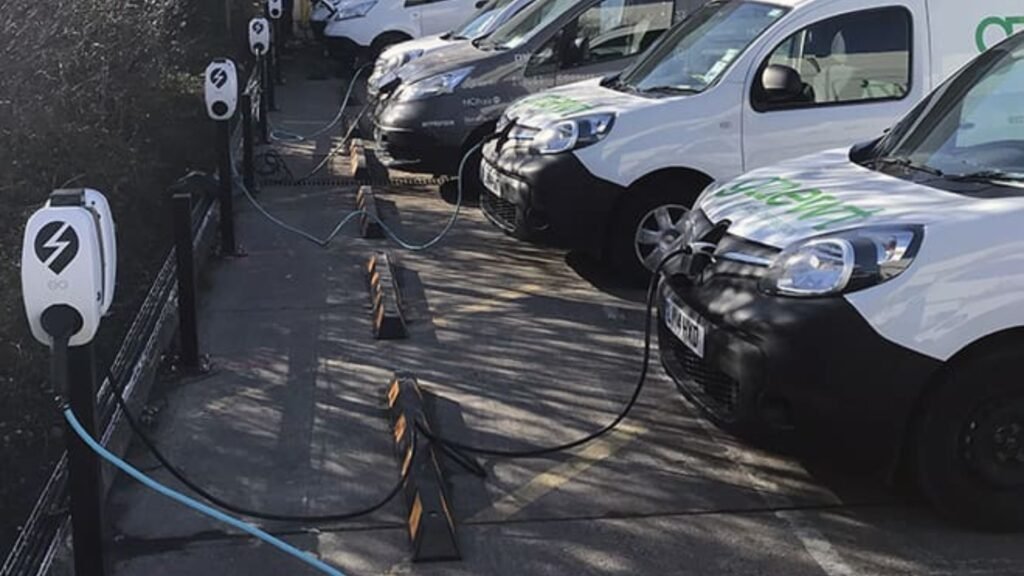
Modern EV charging systems offer far more than basic charging functionality. EO charging technology includes several advanced features designed to improve convenience, efficiency, and reliability.
One major feature is smart charging management. Intelligent software allows users to monitor charging sessions, track energy usage, and schedule charging during lower-cost electricity periods. This helps reduce overall energy expenses while maximizing efficiency.
Another important feature involves remote accessibility. Fleet managers and individual users can monitor charging activity through digital platforms and mobile applications. Remote access improves operational control and simplifies charging management.
Safety also remains a top priority in EV infrastructure. Advanced charging systems include protective mechanisms that reduce overheating risks, electrical faults, and power fluctuations. Reliable safety systems are essential for both commercial and residential charging environments.
Scalability is equally valuable for growing businesses. Companies expanding their electric vehicle fleets require charging systems capable of supporting future growth without major infrastructure replacement.
These features make EO charging solutions attractive for organizations looking to modernize transportation operations while maintaining long-term efficiency.
EO Charging for Commercial Fleets
Fleet electrification has become a major trend across transportation industries. Logistics providers, delivery companies, and service operators increasingly replace fuel-powered vehicles with electric alternatives to reduce operational costs and meet sustainability goals.
EO charging infrastructure plays a significant role in supporting fleet operations. Commercial fleets require dependable charging systems capable of handling multiple vehicles simultaneously while minimizing downtime.
Fleet managers benefit from centralized monitoring systems that track charging schedules, vehicle readiness, and energy consumption patterns. This information improves operational planning and helps maximize fleet productivity.
Charging optimization also reduces electricity costs by distributing charging activity during off-peak hours. Businesses operating large fleets can save substantial amounts through efficient energy management strategies.
In addition, commercial charging systems support long-term scalability. As companies continue expanding electric vehicle adoption, flexible charging infrastructure becomes essential for maintaining efficient operations.
The transportation sector’s transition toward electrification is creating strong demand for advanced fleet charging technology, positioning EO charging systems as an important solution in modern mobility management.
Smart Charging and Energy Management
Energy efficiency is one of the defining advantages of modern EV charging technology. Smart charging systems help users optimize electricity consumption while maintaining reliable charging performance.
EO charging platforms integrate energy management tools that analyze charging behavior and identify opportunities for improved efficiency. Intelligent charging schedules reduce strain on electrical grids during peak demand periods.
Businesses using renewable energy sources can integrate charging systems with solar or wind energy installations. This combination supports environmentally responsible charging while reducing electricity expenses.
Smart charging technology also supports load balancing, which distributes electricity usage evenly across charging stations. This prevents power overload issues and improves infrastructure stability.
As electricity demand continues increasing alongside EV adoption, intelligent energy management systems will become even more important for maintaining sustainable transportation networks.
Benefits of EO Charging for Businesses
Businesses adopting electric mobility solutions gain several operational and financial advantages. Charging infrastructure improves fleet efficiency while helping organizations achieve sustainability objectives.
Reduced fuel expenses represent one of the most significant benefits of electric transportation. EV charging systems generally offer lower operating costs compared to traditional fuel-based transportation.
Businesses also improve their environmental reputation by adopting cleaner transportation technologies. Consumers increasingly support organizations demonstrating strong environmental responsibility and sustainability practices.
Charging infrastructure can additionally improve employee satisfaction by providing workplace charging access for electric vehicle owners. Many companies now include EV charging stations as part of modern workplace amenities.
Operational efficiency also improves through smart charging management tools that simplify monitoring and maintenance activities. These benefits make EO charging systems valuable investments for organizations transitioning toward sustainable transportation strategies.
Home Charging Convenience and Efficiency
Residential EV charging has become increasingly popular as electric vehicle ownership expands. Home charging systems provide convenience, flexibility, and long-term cost savings for drivers.
EO charging solutions designed for residential use allow vehicle owners to charge overnight without relying on public charging stations. Smart scheduling features help homeowners reduce electricity costs by charging during off-peak hours.
Home charging systems also provide greater convenience because drivers can begin each day with a fully charged vehicle. This reduces travel interruptions and improves overall user experience.
Many residential charging systems now include mobile app integration, enabling users to monitor charging status remotely and manage energy usage more effectively.
As electric vehicles continue becoming more common, home charging infrastructure will remain an important part of daily transportation convenience.
The Role of EO Charging in Green Energy Goals
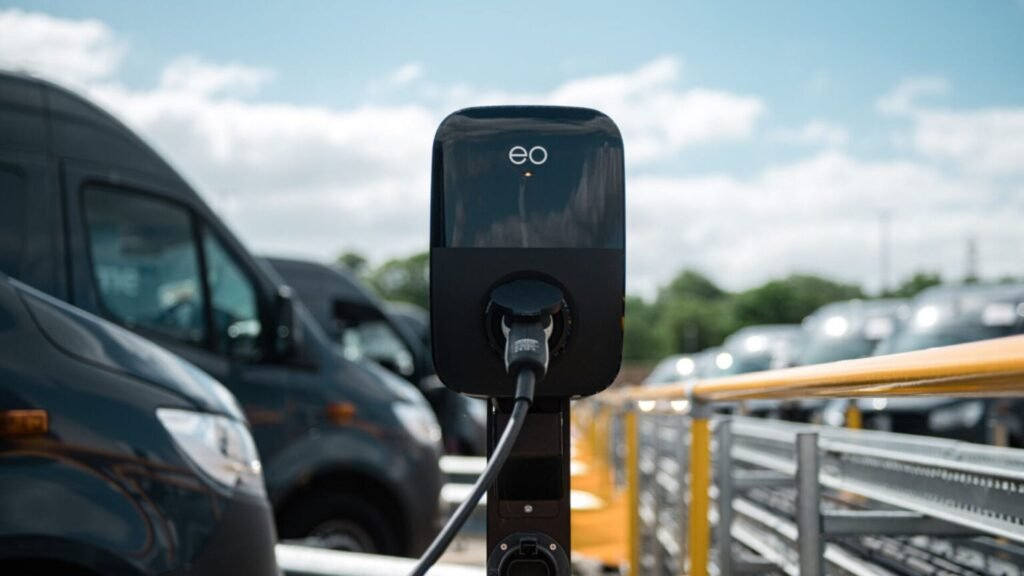
Governments and organizations worldwide continue setting ambitious environmental goals focused on reducing carbon emissions and improving energy sustainability. Electric transportation plays a major role in achieving these objectives.
EO charging technology supports green energy initiatives by enabling cleaner transportation systems and encouraging renewable energy integration. Smart charging platforms help reduce unnecessary energy consumption while improving electricity efficiency.
Urban development projects increasingly include EV charging infrastructure as part of sustainable city planning strategies. Charging networks help cities reduce pollution levels while supporting future transportation demands.
Businesses investing in sustainable operations also view charging infrastructure as a long-term environmental investment. Reliable EV charging systems contribute directly to broader carbon reduction goals and energy transition efforts.
Future Innovations in EO Charging Technology
The future of electric mobility depends heavily on continuous innovation in charging technology. Faster charging speeds, improved energy efficiency, and enhanced software integration are expected to shape the next generation of EV infrastructure.
EO charging solutions will likely continue evolving through artificial intelligence, predictive maintenance systems, and advanced energy analytics. These innovations can improve charging performance while reducing operational disruptions.
Wireless charging technology may also become more common in the future. Autonomous charging systems could simplify vehicle charging processes and improve user convenience.
Vehicle-to-grid integration represents another emerging development. This technology allows electric vehicles to return unused electricity back to the power grid, improving overall energy distribution efficiency.
As EV adoption expands globally, charging technology innovation will remain essential for supporting sustainable transportation growth.
Conclusion
The expansion of electric transportation continues transforming global mobility systems, and reliable charging infrastructure has become more important than ever. EO charging technology supports this transition by providing advanced charging solutions for homes, businesses, and commercial fleets.
Smart charging systems improve energy efficiency, reduce operational costs, and support environmental sustainability goals. Businesses benefit from scalable fleet charging infrastructure, while homeowners enjoy greater convenience and flexibility.
As the transportation industry continues evolving, intelligent EV charging solutions will play a major role in shaping cleaner and more efficient mobility networks. EO charging systems represent an important step toward a future focused on sustainability, innovation, and smarter transportation management.
FAQs
What is EO charging?
EO charging refers to smart electric vehicle charging solutions designed for residential, commercial, and fleet applications.
Why is EO charging important?
EO charging supports sustainable transportation by improving energy efficiency and enabling reliable EV infrastructure.
Can EO charging help businesses reduce costs?
Yes, smart charging systems reduce fuel expenses, improve fleet management, and optimize electricity usage.
Is EO charging suitable for home use?
Yes, homeowners can install residential charging systems for convenient overnight electric vehicle charging.
How does smart charging improve efficiency?
Smart charging schedules electricity usage during lower-demand periods, reducing energy waste and operational costs.